
Microchip cat flaps provide a useful option for households that want more control over which cats can enter their homes. Unlike a basic manual flap that may allow any animal to pass through, a compatible microchip-operated model can identify registered pets and unlock the flap accordingly. This can be particularly helpful if unfamiliar cats frequently enter your property or disturb your pet’s routine. By allowing access to recognised pets, the flap can help create a more controlled indoor environment while preserving the convenience of independent entry and exit. At Cat Flaps Leeds, we help homeowners understand how these products work and what to consider before installation. Different models offer different recognition systems, programming methods, and locking options, so checking the manufacturer’s specifications is important. Your cat’s microchip must be compatible with the selected unit, and some products may support additional identification methods. Choosing a suitable model can help you manage your pet’s access more effectively while reducing the need to supervise every movement through the door.
A microchip cat flap can also be beneficial in multi-cat households where different pets have different access requirements. Depending on the product, some models can store identification details for several registered animals, making them suitable for homes with multiple cats. You should consider how many pets will use the flap, whether any animals have special access requirements, and how the unit will be programmed. Battery life, ease of maintenance, and the availability of replacement parts are also useful considerations when comparing products. At Cat Flaps Leeds, we encourage homeowners to review these details before choosing a model. A microchip flap is not a substitute for general home security, but it can provide a practical way to manage access for compatible registered pets. If you are considering a different type of access solution, our Cat Flap Installation Leeds service can be linked here to help visitors explore other installation options. Selecting a model that suits your household can make everyday pet access more convenient and controlled.
Selecting a microchip cat flap involves considering your cat’s identification method, the size of the opening, and the type of door where it will be installed. Although many cats have implanted microchips, not every cat flap supports every identification system, so compatibility should be checked before purchasing. Some models may also support collar tags or other identification options. The flap should be large enough for your cat to pass through comfortably, and its controls should be easy for you to operate when registering pets or changing settings. At Cat Flaps Leeds, we help homeowners consider these practical requirements so they can make an informed choice. You may also want to compare models based on their locking modes, energy requirements, and resistance to outdoor conditions. A suitable product should meet your pet’s needs while working appropriately with your property’s layout. Reviewing the manufacturer’s instructions and product specifications before installation can help avoid compatibility problems and make setup more straightforward.
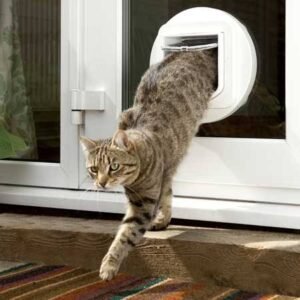
The door material is another important factor when choosing a microchip-operated flap. Wooden doors and certain compatible uPVC panels may accommodate specific models, while other door constructions may require additional assessment or specialist fitting arrangements. Some microchip cat flaps can be installed in suitable glass panels, but this may require a purpose-made glazing unit rather than cutting the existing glass. The door’s thickness, available space, and nearby locking components should all be considered before proceeding. Our Cat Flaps for uPVC Doors Leeds service can provide a relevant internal link for homeowners exploring compatible uPVC door installations. If you are unsure which model will work with your door, check the manufacturer’s fitting requirements and seek suitable professional advice before making alterations. Choosing the right flap from the beginning can help reduce unnecessary modifications and support a neat installation. By considering both the electronic features and the physical requirements, you can select a microchip cat flap that suits your home and your pet.
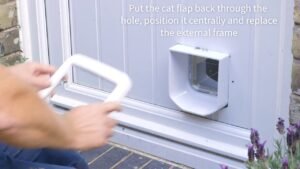
Correct installation is important for ensuring that a microchip cat flap operates as intended. The position must be suitable for your cat and compatible with the door’s construction, while the opening should match the manufacturer’s measurements. Before installation, it is important to assess the door material, thickness, and any internal reinforcement that could affect the fitting process. A poorly positioned opening or an unsuitable installation method may affect the appearance and performance of the door. At Cat Flaps Leeds, we focus on helping homeowners identify suitable installation options based on their selected product and property requirements. The frame should fit securely, the moving panel should operate freely, and the installation should not interfere with the door’s existing locks or handles. Once the flap is fitted, its basic operation should be checked before the pet begins using it. Careful preparation helps create a practical access point while supporting the intended function of both the flap and the surrounding door.
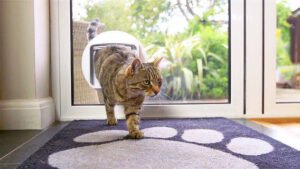
After the physical installation, the microchip recognition system must be configured according to the manufacturer’s instructions. This usually involves activating the registration mode and allowing the unit to recognise the pet’s microchip or compatible identification tag. The exact procedure varies between models, so the product manual should always be followed. It is also important to test the locking and unlocking functions to confirm that the registered pet can use the flap correctly. If the unit operates on batteries, check that they are installed correctly and that the battery indicator shows normal operation. Homeowners should familiarise themselves with the available locking modes so they can control access when necessary. If an older cat flap needs to be removed before the new model is fitted, our Cat Flap Replacement Leeds service can be linked here for additional information. Proper setup and testing can help reduce early operating problems and make the new microchip cat flap easier for your pet to use.
Regular maintenance can help keep a microchip cat flap working reliably over time. Dust, pet hair, and outdoor debris can accumulate around the frame and moving panel, potentially affecting the flap’s movement. Cleaning the unit according to the manufacturer’s instructions can help prevent these issues and maintain smooth operation. It is also useful to inspect the hinges, locking mechanism, and surrounding frame for visible wear or damage. If your cat flap uses batteries, replace them as recommended or when the low-battery indicator appears. Keeping the identification system in good working order is important because a depleted battery or incorrect setting may prevent the flap from recognising your pet as expected. At Cat Flaps Leeds, we encourage homeowners to check the unit periodically and address minor problems promptly. Routine checks can help you identify changes in performance before they become more disruptive to your pet’s daily routine.
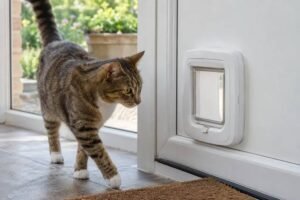
If your microchip cat flap stops recognising a registered pet, begins sticking, or fails to lock correctly, start by checking the manufacturer’s troubleshooting guidance. Depending on the model, the issue may relate to battery power, the registration process, an obstruction, or a mechanical fault. Avoid forcing the panel or dismantling electronic components without suitable instructions. If the problem continues, a repair assessment may help determine whether the unit can be restored or whether replacement is more appropriate. Our Cat Flap Repairs Leeds service can be linked here for customers experiencing problems with an existing flap. When replacing an electronic model, make sure the new unit supports your preferred identification method and is compatible with the intended installation location. Cat Flaps Leeds aims to help homeowners choose practical solutions that suit their pets and properties. With appropriate product selection, careful installation, and regular maintenance, a microchip cat flap can provide a convenient way to manage access for registered pets. https://en.wikipedia.org/wiki/Leeds